
What retailers should know in 2025
Why Sustainability is No Longer Optional
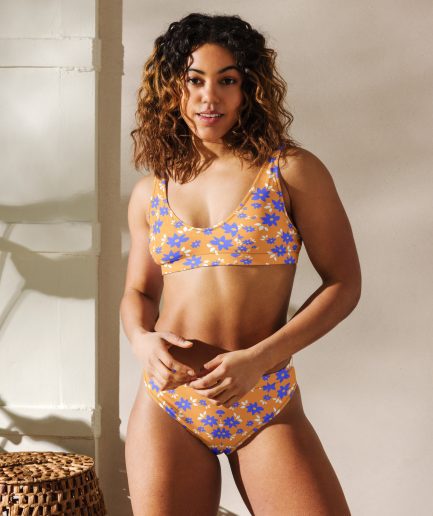
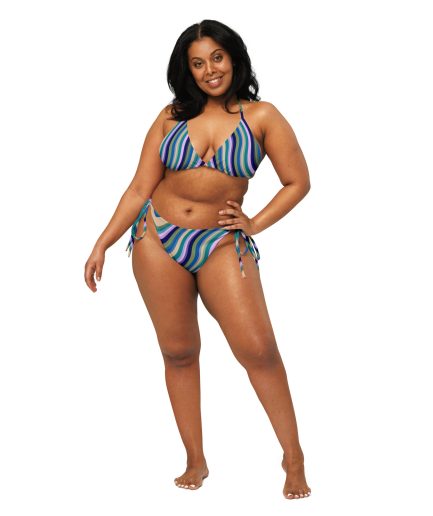
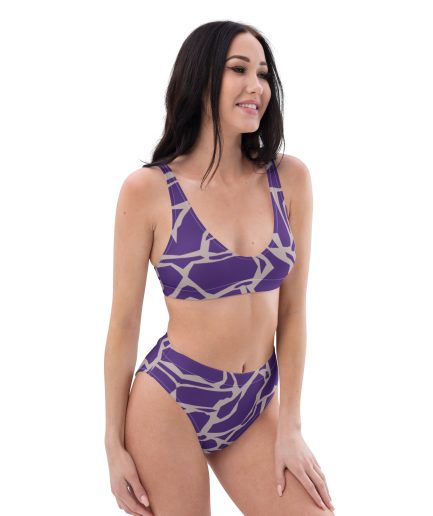
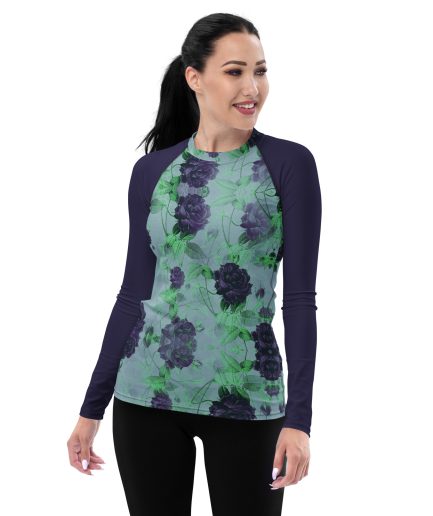
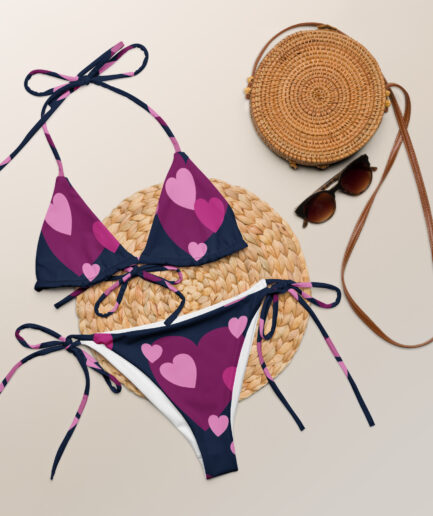
Consumers are increasingly aware of the environmental impact of their purchasing decisions. In 2025, sustainability is not just a trend—it’s a baseline expectation. Retailers who prioritize eco-friendly practices and offer sustainable products like eco-friendly swimwear wholesale options are more likely to attract and retain customers. This guide provides retailers with essential information on sustainable swimwear fabrics, supplier evaluation, and the benefits of offering eco-conscious products.
Key Eco-Friendly Swimwear Fabrics
Fabric |
Made From |
Benefits |
|---|---|---|
Recycled Nylon/Econyl |
Recycled fishing nets, fabric scraps, and industrial plastic waste |
Reduces waste, durable, soft, excellent stretch, good UV protection. |
Recycled Polyester (rPET) |
Recycled plastic bottles (PET) |
Diverts plastic from landfills, quick-drying, lightweight, wrinkle-resistant. |
Organic Cotton Blends |
Organically grown cotton fibers, often blended with other sustainable materials. |
Soft, breathable, biodegradable, grown without harmful pesticides or fertilizers. Often used in linings or cover-ups. |
Chlorine-Resistant Lycra |
Standard or recycled lycra with enhanced chlorine resistance |
Increased durability in chlorinated water, longer lifespan for swimwear, reduced fading. |
Why Sustainable Swimwear Performs Well in Retail
Offering eco-friendly swimwear wholesale options translates to several retail advantages:
- Attracts Eco-Conscious Consumers: Taps into a growing market segment actively seeking sustainable choices.
- Enhances Brand Reputation: Demonstrates commitment to environmental responsibility, improving brand image.
- Increases Customer Loyalty: Eco-conscious consumers are more likely to remain loyal to brands that align with their values.
- Potential for Premium Pricing: Consumers are often willing to pay slightly more for sustainable products.
Tips for Evaluating Suppliers
When sourcing eco-friendly swimwear wholesale, thorough supplier evaluation is essential:
- Check Fiber Certification: Look for certifications like GRS (Global Recycled Standard), OCS (Organic Content Standard), or OEKO-TEX® to verify material authenticity.
- Ask About Dye Sustainability: Inquire about the dyes used and their environmental impact. Opt for low-impact or natural dyes.
- Request Sample Durability Tests: Ensure fabrics meet quality standards and can withstand wear and tear, chlorine exposure, and UV radiation.
- Verify Transparency: Work with suppliers who are open about their manufacturing processes, supply chain, and environmental practices.
Final Thoughts
Offering eco-conscious swimwear is not just a responsible choice; it’s a strategic business move. By prioritising sustainability, retailers can meet consumer demands, enhance their brand reputation, and contribute to a more environmentally friendly future. Embrace eco-friendly swimwear wholesale to stay ahead of the curve in the evolving retail landscape.